Strategy, creative thinking, industry perspective, and lessons from the work.
Work With Us ↗You’ve probably seen a thousand music videos that look great but say nothing. You know the ones: lots of flashy cuts, some expensive-looking locations, but at the end of the day, you’re left wondering what the point was. It’s a common trap to fall into when you’re focused solely on production value rather than the core message. But when you bridge the gap between high-end cinematic storytelling and a rock-solid marketing strategy, that’s when the magic happens.
Winning a Telly Award for Cinematography and Videography isn't just about having the best camera. It’s about having a plan that was built to win before the first frame was ever shot. For the 9 Left Dead music video "Happy," the success didn't start on set. It started in the car, on a drive to a completely different location, listening to an unreleased track and visualizing a world that didn't exist yet.
Here’s how we transformed a raw, moody song into an award-winning cinematic experience through a strategy-first lens.
The Strategy Before the Meeting
Most people think the creative process starts when the director and the artist sit down in a room together. We do things a bit differently. At South Town Productions, we’re a strategic authority agency, and that means the strategy always comes first.
I heard "Happy" for the first time while I was on my way to wrap up another project. It was unreleased and raw, but the soul of the track was already there. Most would just listen and enjoy the music, but I immediately started visualizing the lore. By the time I reached out to Travis, the lead singer of 9 Left Dead, the plan was already living in my head.
You don't need a massive budget to create a masterpiece, but you do need a massive amount of intentionality. I told Travis the concept: the dark, internal struggle mirrored through specific visual cues: and he was on board immediately. Why? Because the vision was already aligned with the heart of the music. We weren't just talking about where the band would stand; we were talking about why they were there in the first place.

Creating a Multipart Cinematic Lore
One-off videos are great for a quick spike in engagement, but they rarely build long-term authority. To truly capture an audience, you need to invite them into a world. That’s why we pitched the idea of "Cinematic Lore."
Working closely with Travis and his management, Curtis, we decided that "Happy" wouldn't just be a standalone music video. Instead, it was designed to be a chapter in a larger, multipart story that would unfold across several releases. That partnership mattered. It kept the creative aligned, the decisions intentional, and the final piece grounded in a shared vision that felt elevated from the first concept through the final frame.
Think about it:
- What problem are you solving for your audience?
- How does this specific piece of content fit into your long-term growth?
- Are you creating a moment or a movement?
By deciding to create a saga rather than a single clip, we gave the fans something to hunt for. Every visual choice, from the lighting to the way a character looked at the camera, became a clue in a bigger mystery. This is the difference between a video production service and a marketing agency that understands the power of a consistent story.
The Technical Edge: Why Lenses Matter
It’s tempting to think that gear is the most important part of a shoot. It isn’t: strategy is: but the right tools make the strategy hit harder. For "Happy," we introduced something new to our arsenal: a set of high-end cinema lenses that I bought specifically for this project.
Lenses are the eyes of your story. They determine how the audience "feels" the depth of the room and the emotion of the subject. These lenses were a game-changer. They provided a crisp, polished look that separated the band from their environment in a way that felt both intimate and grand.
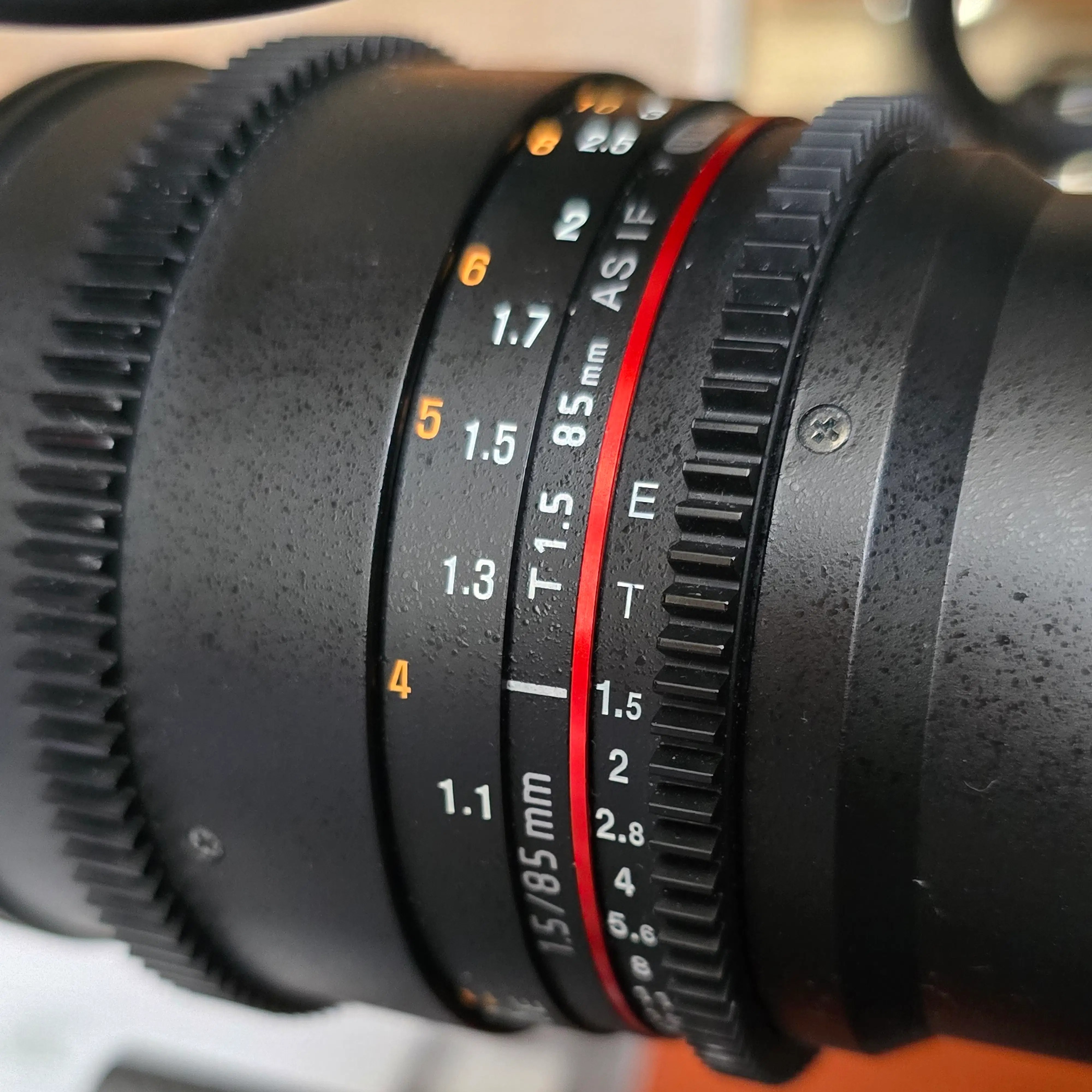
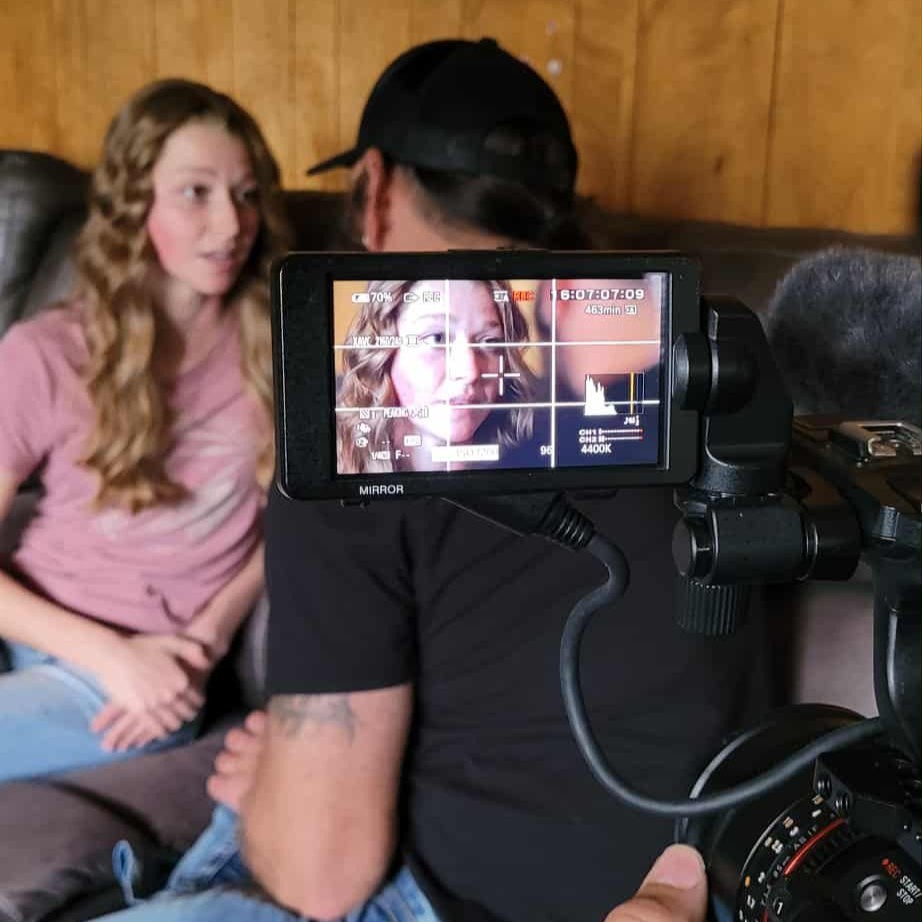
Done right, technical choices should disappear into the story. You shouldn't be thinking about the aperture; you should be feeling the weight of the character’s struggle. But knowing which tools to use to achieve that feeling? That’s where expertise comes in. When the band showed up on set, they were sold the second they saw the individual shots on the monitor. They saw themselves not just as musicians, but as characters in a film.
Precision in Production
There’s a common myth in the industry that "creative" work has to be chaotic or that a great edit takes months of "finding the story."
We don't believe that.
Because the story for "Happy" was completely mapped out from start to finish before we even touched a camera, the production was incredibly efficient. We knew exactly what we wanted, when we wanted it, and how each shot would fit into the final puzzle.
When you have that level of clarity, you don't waste time. The transition from the shoot to the final edit was seamless. I had mental notes for every beat of the song, and because the vision was so clear, the rough draft I sent to Travis and Curtis looked like a finished product.
They were blown away by the speed, but the speed was just a byproduct of the planning. When you remove the guesswork, the quality goes up and the friction goes down. And when the footage on the monitor already feels like a finished film, you know the cinematic standard is landing exactly where it needs to.
The Telly Award: A Win for Intentionality
In the end, all that planning paid off in a big way. "Happy" took home a Telly Award for Cinematography and Videography.
The Telly Awards are the premier award honoring video and television across all screens. Winning one is a massive nod from the industry that says your work isn't just good: it's standard-setting. But for us, the award was simply a confirmation of our "Strategy First" philosophy.
We didn't set out to "win a Telly." We set out to tell a story that resonated with the band's message and their audience's emotions. We set out to build a cinematic universe that would keep fans engaged for months to come. The award was just proof that when you treat marketing and cinematic storytelling as one unified engine, people notice.
Why This Matters for Your Organization
You might not be a rock band, but you are likely a purpose-driven organization with a story that needs to be told. Whether you're a nonprofit trying to communicate your impact or a growing business looking to build trust, the principles are the same:
- Strategy comes first. Don't just make content; plan it so everything works together.
- Think long-term. One video is a drop in the bucket; a story saga is a brand.
- Choose the right partners. You need someone who manages the full process and understands your business goals.
We're not here to just hand you a file and wish you luck. We're here to be your collaborative partner, aligning your messaging with real-world growth.
Final Thoughts
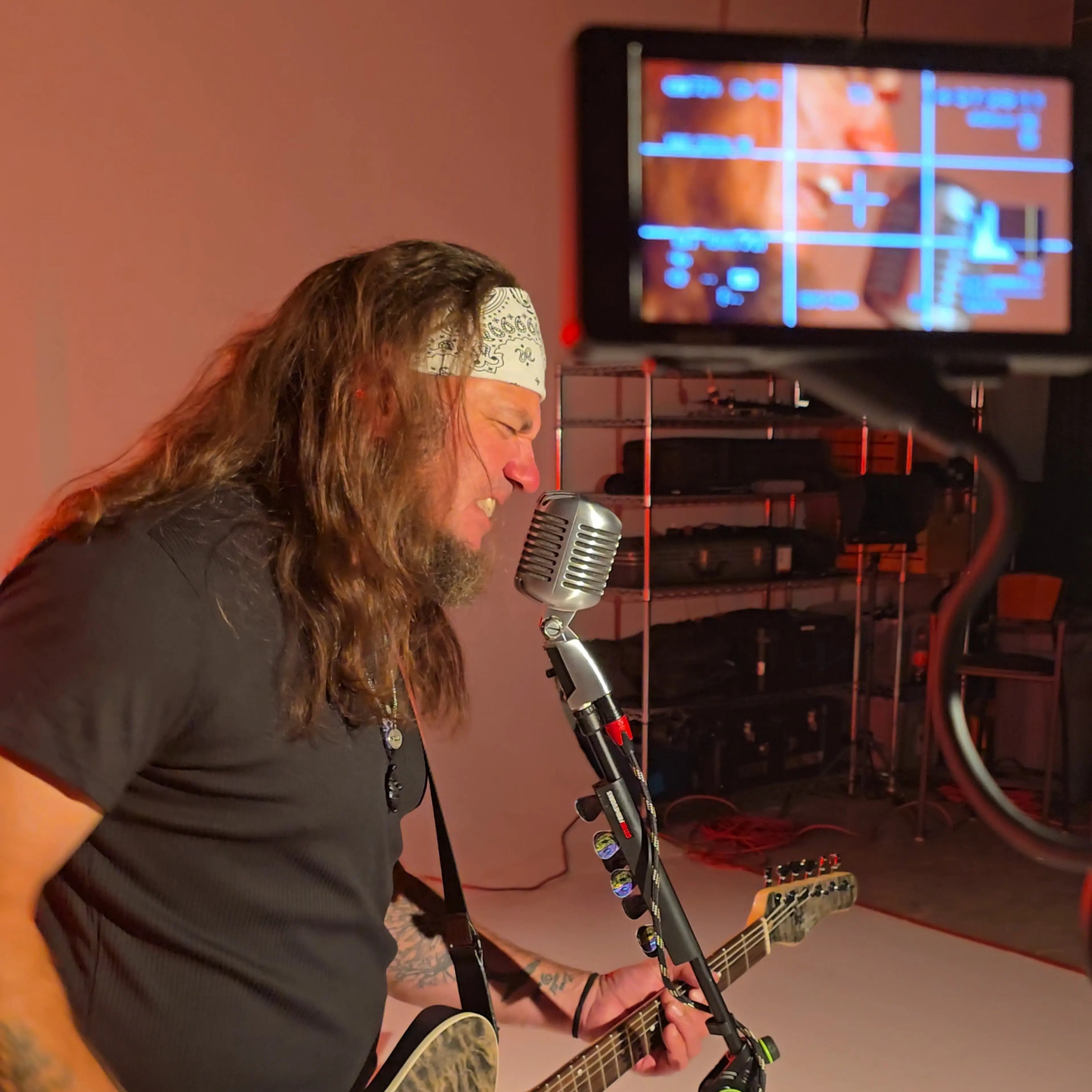
The success of "Happy" wasn't an accident: it was the result of a strong partnership and a relentless focus on the story. When strategy, technical precision, and a shared vision come together, you don't just get a video; you get an award-winning asset that moves the needle.
If you’re ready to stop making "videos" and start building your own cinematic authority, we’d love to see if you’re a fit for our strategic approach.
Let’s create something that doesn't just look good, but actually works for your mission.