Strategy, creative thinking, industry perspective, and lessons from the work.
Work With Us ↗You already know that donors connect with stories. You've seen the data about video engagement, read the case studies, and maybe even tried producing a few videos yourself.
But here's what most nonprofits get wrong: they treat video as a production problem instead of a strategy problem. They dump money into fancy cameras and professional crews, then wonder why the donation meter barely moves. Or they go the opposite route, slapping together iPhone clips with zero planning, and end up with content that gets scrolled past in three seconds.
The truth? Every dollar you spend on nonprofit video production should directly connect to your fundraising goals. And no, you don't need a Hollywood budget to make that happen.
Here's how to use video to actually move the needle on donations without wasting your limited resources.
The ROI You're Not Tracking (But Should Be)
Let's start with the numbers that matter. For every dollar a nonprofit invests in strategic video content, they generate an average of $4.30 in donations. Even better? About 57% of people who watch a nonprofit video end up donating.
But most organizations never see those returns because they're making content without a plan.
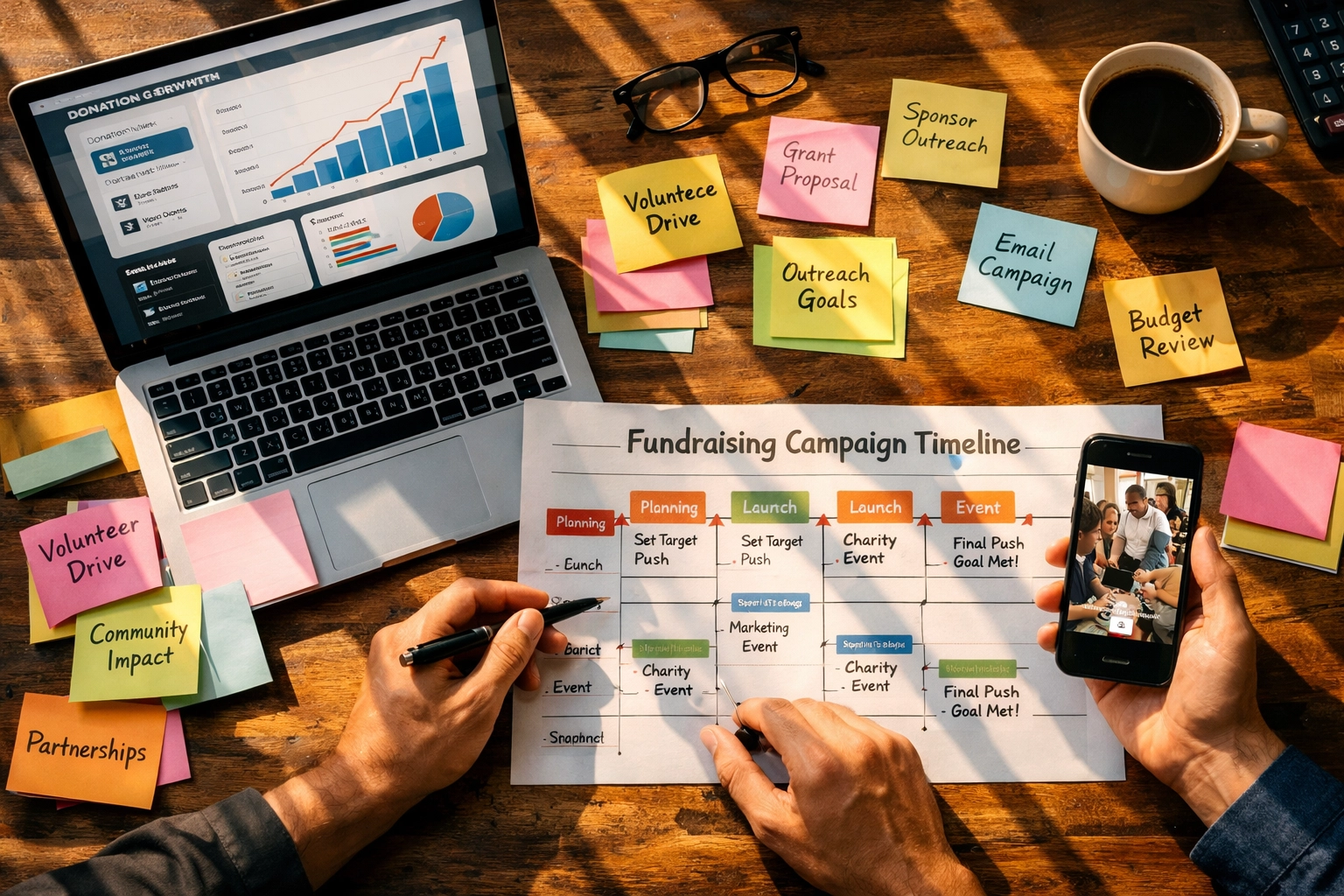
Think about your last fundraising video. Did you know exactly who it was for? What action you wanted them to take? Where it would live? If you're answering "sort of" to any of those questions, you're leaving money on the table.
The difference between video that converts and video that collects digital dust comes down to strategy-first thinking. Before you hit record, you need to answer:
- Who is this video trying to reach? (Major donors, monthly supporters, first-time givers?)
- What emotional journey are we taking them on?
- What specific action do we want them to take afterward?
- Where will they actually see this content?
Answer those questions first. Then pick up the camera.
The Three Video Formats That Actually Raise Money
You don't need a library of 47 different video types. You need three core formats, each designed for a specific fundraising goal.
1. The 90-Second Impact Story
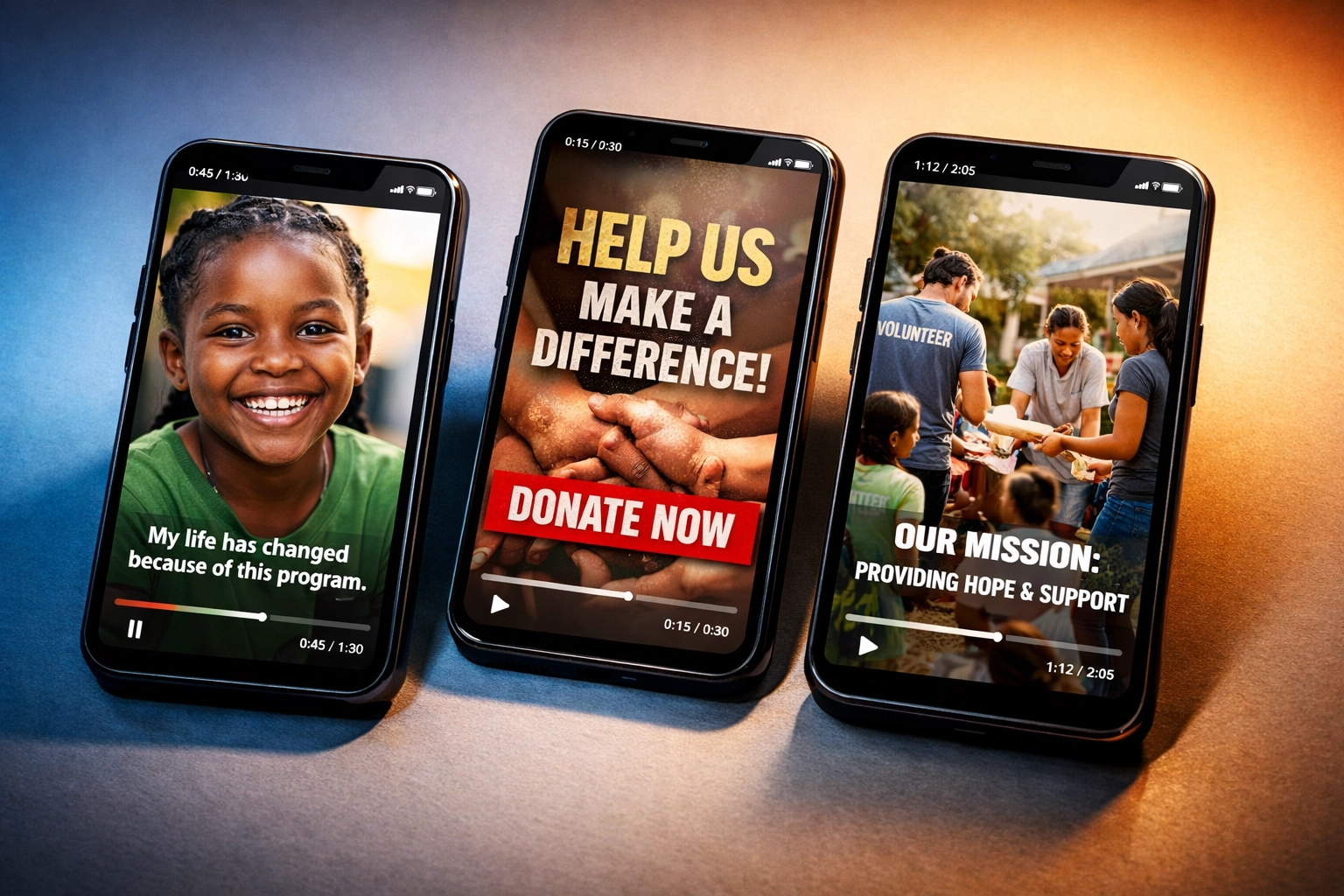
This is your workhorse. Short-form beneficiary stories that show your mission in action. These live on social media and in email campaigns, designed to stop the scroll and pull at heartstrings.
Keep them under two minutes: that's when you retain 75% of viewers. Any longer and you're losing people before they hit the donate button.
2. The 30-60 Second Donation Appeal
Quick, direct, and built for one thing: getting someone to click "Donate Now." These aren't about telling a full story. They're about creating urgency and making the ask crystal clear.
Use these in email blasts, as mid-campaign social posts, and in retargeting ads. Think of them as your digital equivalent of someone shaking a donation bucket: except way more effective.
3. The 2-3 Minute Mission Explainer
This one lives on your website and in presentations to major donors. It's your big-picture story: the problem you're solving, why your approach works, and what becomes possible with support.
This is where you can go deeper, but even here, every second needs to earn its place. If it's not building emotional connection or establishing credibility, cut it.
The Storytelling Framework That Converts Viewers to Donors
Here's where most nonprofit video production misses the mark: they lead with statistics and organizational history instead of human impact.
The framework that actually works follows a simple structure: Problem > Intervention > Transformation.
Start with the challenge your beneficiaries face. Not in abstract terms: show it. Let viewers feel the weight of the problem through a real person's story.
Then show your organization stepping in. This isn't about bragging. It's about demonstrating that you have a solution that works.
Finally: and this is critical: show the transformation. What changed? What became possible? Let viewers see the impact of what donations make real.
This structure boosts donor retention by 34% compared to traditional nonprofit videos because it gives people a clear emotional arc with a satisfying resolution. And that resolution? It's only possible because of support.
Balance your storytelling with 80% emotion and 20% data. Use statistics, but connect them to human outcomes. Instead of saying "We served 500 families last year," show one family's story and then reveal the scale. Animated progress bars, before-and-after visuals, and quick data cards work better than talking heads rattling off numbers.

One literacy nonprofit saw donations jump 53% when they combined student testimonials with visual progress tracking. Viewers could see both the individual transformation and the broader impact. That's the sweet spot.
Where Your Videos Actually Need to Live
Creating great content is only half the battle. Video production for nonprofits fails when distribution is an afterthought.
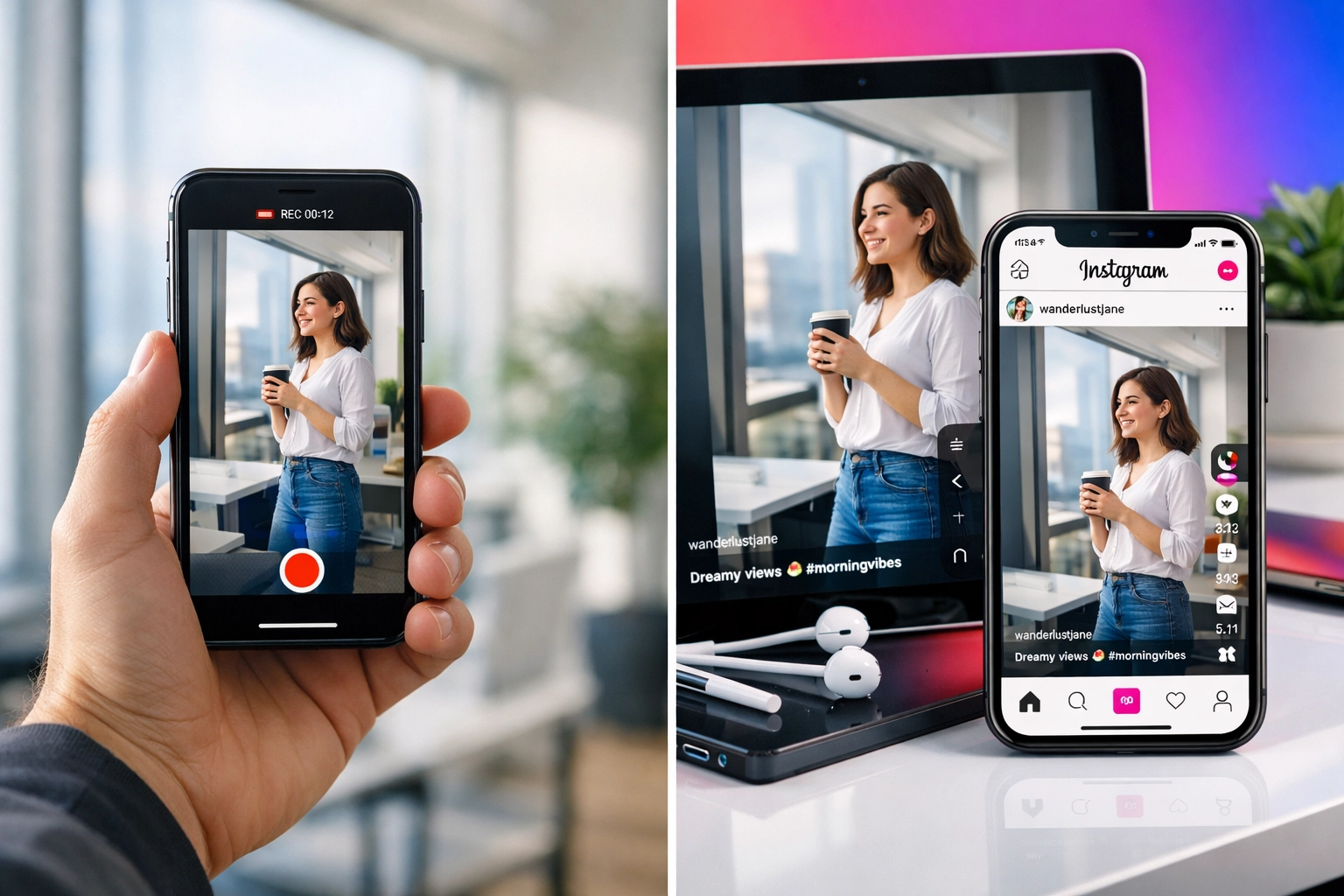
Most of your potential donors are watching video on their phones. That means vertical formats for Instagram and TikTok, square formats for Facebook. Ignore mobile optimization and you're basically burning your production budget.
But platform choice matters more than format. Ask yourself: where do your current donors spend time? Where do you want to reach new supporters?
Your major donors might respond better to a 2-minute video embedded in a personalized email. Your younger, monthly supporters are probably discovering you through TikTok or Instagram Reels.
Don't try to be everywhere. Pick 2-3 platforms where your ideal donors actually hang out, then optimize your content for those specific channels.
And here's the part nobody wants to hear: you need clear calls-to-action in every single video. Not buried in the caption. Not left to implication. A visible, direct CTA: "Donate Now," "Become a Monthly Supporter," "Share This Story": with a link or button right there in the frame.
Test different thumbnails while you're at it. A compelling thumbnail can increase your click-through rate by 22%. That's 22% more people seeing your message without spending an extra dime on production.
How to Produce Without Breaking the Bank
The good news? You don't need a $10,000 camera rig to create nonprofit video content that converts.
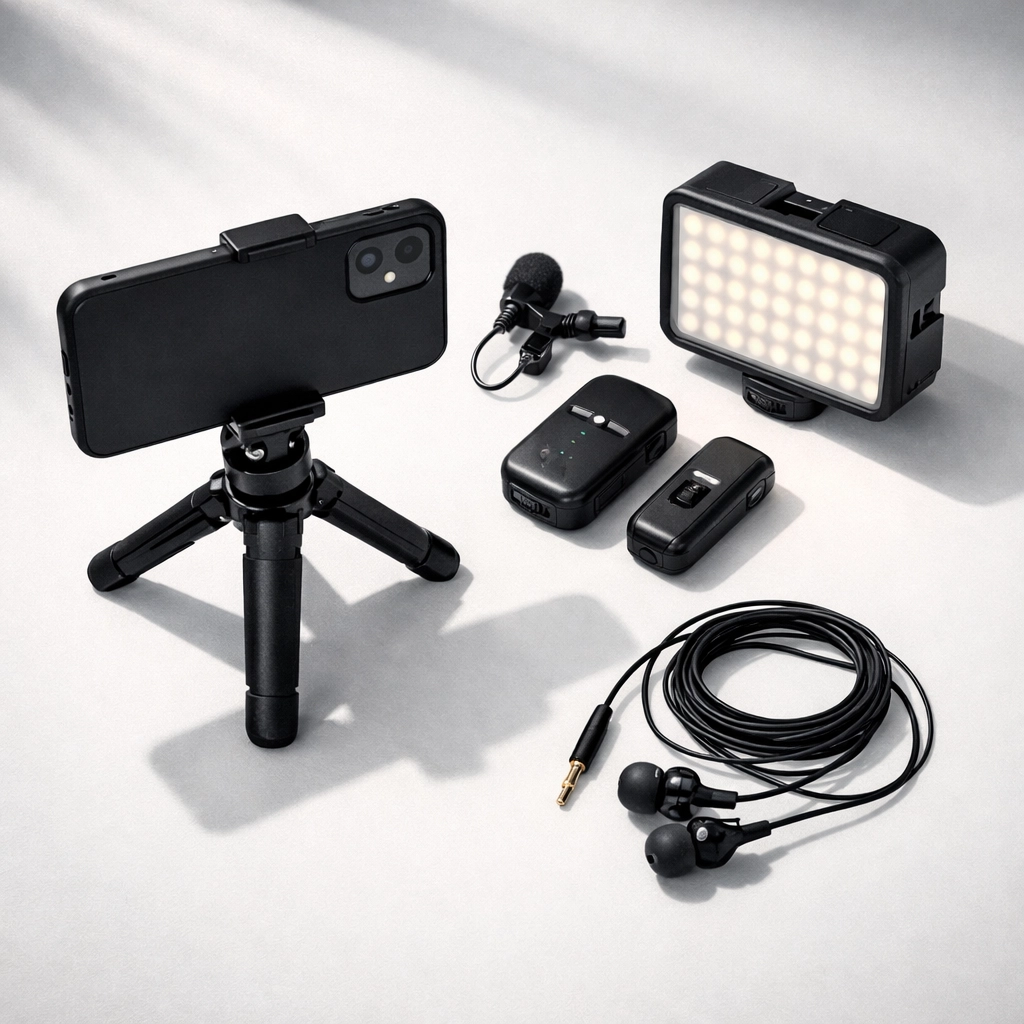
Start with what you have. A recent smartphone shoots better video than professional equipment from five years ago. Pair it with a $20 lapel mic and natural lighting, and you're 90% of the way there.
Free editing software like DaVinci Resolve gives you professional-grade tools without the professional-grade price tag. Add captions in post (crucial for accessibility and engagement), overlay your brand colors, and you've got content that looks intentional.
The bigger investment isn't equipment: it's strategy. Knowing what to shoot, how to structure your story, and where to distribute it determines whether your video raises $100 or $10,000.
Most nonprofits would see better ROI spending less on production and more on strategic planning. Figure out your messaging framework, map your donor journey, and identify your distribution channels before you shoot a single frame.
The Partnership Model That Actually Works
Here's the reality: your team is already stretched thin. Adding video strategy and production on top of fundraising campaigns, donor relations, and program management isn't sustainable.
That's why the most effective nonprofits partner with video marketing agencies instead of trying to build in-house video departments. Not for one-off projects, but for ongoing monthly partnerships that treat video as part of a larger fundraising strategy.
At South Town Productions, we structure our nonprofit video production partnerships around monthly retainers (typically starting at $5k/month) that include strategy development, content creation, and distribution management. You get consistent, strategic content without hiring a full video team.
That model works because video isn't a one-and-done tactic. It's an ongoing channel that needs regular content, testing, and optimization. Monthly partnerships let you build momentum instead of starting from scratch every campaign.
Final Thoughts
Effective nonprofit video production comes down to three things: strategic planning, focused storytelling, and smart distribution. Master those, and video becomes your most powerful fundraising tool. Skip any of them, and you're just creating content nobody watches.
If you're ready to turn video into a reliable revenue channel for your nonprofit, let's talk strategy. We'll help you build a video marketing system that actually moves your mission forward: without wasting your budget on content that doesn't convert.