Strategy, creative thinking, industry perspective, and lessons from the work.
Work With Us ↗When people hear the word cinematic, they often think of Hollywood films, sweeping landscapes, and dramatic music. But in the world of business, cinematic video production means something much deeper—it’s about emotion, quality, and trust.
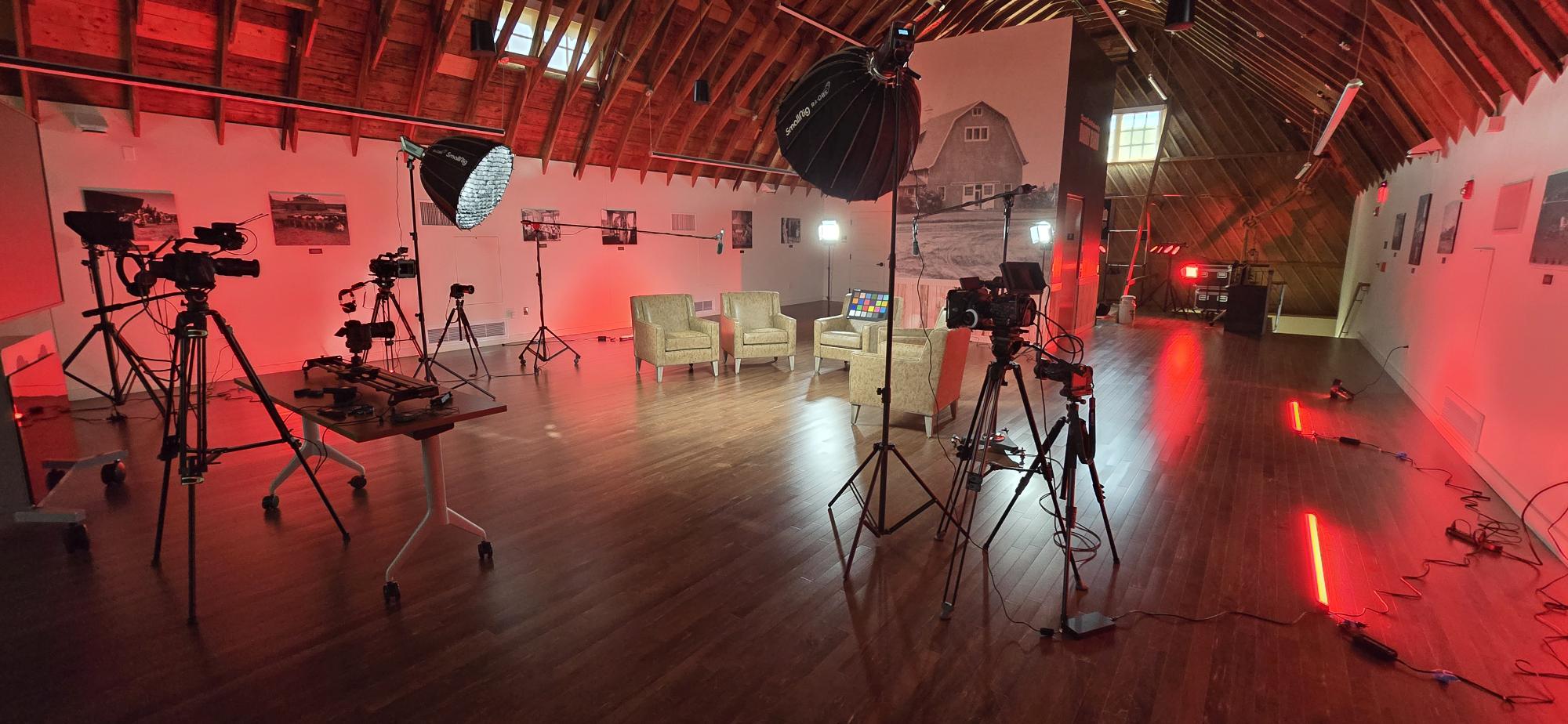
If you’re investing in a brand video, commercial, or nonprofit campaign, creating something cinematic isn’t just about “looking cool.” It’s about making your audience feel something. And in today’s saturated digital landscape, that emotional connection is what separates average content from high-performing content.
In this post, we’ll break down what makes a video cinematic, how it differs from basic videography, and why it can make a lasting impact on your audience.
What Does “Cinematic Video Production” Mean?
Cinematic video production is the art of using film techniques—like lighting, composition, motion, pacing, and sound—to tell a compelling story. It goes beyond simple documentation and focuses on delivering a polished, intentional visual experience.
Think of it as the difference between:
- A flat photo vs. a professional portrait
- A quick selfie video vs. a branded campaign piece
Cinematic videos are designed with the viewer’s emotion and perspective in mind, using every visual element to guide the audience toward a feeling, a message, and an action.
The Key Elements of a Cinematic Video
1. Lighting and Color Grading
Great lighting separates a flat-looking video from a professional one. Cinematic videos use controlled lighting setups—natural or studio—to create mood and depth.
Color grading then brings it all together, creating a consistent visual tone that fits your brand. Warm tones, cooler palettes, high contrast—each has a psychological effect on the viewer.
Why it matters for your brand: Intentional lighting and color create a sense of professionalism and trust. Your audience subconsciously associates your quality of video with the quality of your product or service.
2. Camera Movement and Framing
Cinematic shots are composed with purpose. That means:
- Rule of thirds
- Leading lines
- Smooth motion (via gimbals, sliders, or drones)
- Depth of field for focus and background separation
Instead of static, one-angle shots, cinematic videos use movement and composition to draw the viewer’s eye and keep them engaged.
Why it matters for your brand: These visual techniques subconsciously elevate your authority and make your brand look established—even if you’re just starting out.
3. Sound Design and Music
Audio is often overlooked, but it’s 50% of the viewing experience. Cinematic video production uses:
- High-quality voiceover recordings
- Emotionally matched music scores
- Subtle sound effects for immersion
Bad audio will make even the most beautifully shot video feel amateur.
Why it matters for your brand:Professional sound increases viewer retention, adds emotional depth, and reinforces your message. When the audio matches the tone, people are more likely to take action.
4. Editing and Pacing
Cinematic editing is all about rhythm—knowing when to hold a moment and when to cut. It involves:
- Matching cuts to music
- Emphasizing emotional beats
- Layering in b-roll and motion graphics
- Adding cinematic transitions and motion blur when appropriate
Every frame is there for a reason.
Why it matters for your brand: Strategic pacing keeps people watching longer, which increases engagement, conversion potential, and brand recall.
5. Storytelling with Purpose
At the core of any cinematic video is storytelling. Even a 60-second spot can follow a story arc:
- Introduce the problem
- Show the transformation
- End with a clear resolution and call to action
This structure taps into how our brains naturally process information—and remember it.
Why it matters for your brand: People don’t remember products—they remember stories. Cinematic storytelling builds emotional connection, which leads to loyalty, advocacy, and sales.
Cinematic vs. Basic Video: What’s the Difference?
| Element | Basic Video | Cinematic Video Production |
| Lighting | Natural/available light | Controlled lighting setups |
| Camera Work | Static or shaky handheld | Stabilized, purposeful motion |
| Sound | On-camera mic or none | Professional audio, music, and SFX |
| Editing | Simple cuts, minimal pacing | Story-driven, rhythm-based editing |
| Storytelling | Informational or ad-hoc | Emotional, structured narrative |
| Emotional Impact | Low | High—drives viewer action |
When Should You Invest in Cinematic Video Production?
You don’t need cinematic production for every project—but if your video is:
- Telling your brand story
- Launching a new product
- Pitching donors or stakeholders
- Competing for attention online
…then cinematic quality is worth the investment. It builds instant credibility and lasts longer in your marketing pipeline.
South Town Productions: Cinematic, Strategic, Impactful
At South Town Productions, we don’t just shoot, we shape stories. Our cinematic video production services are designed to help brands, nonprofits, and businesses connect with real people through powerful visuals and purposeful storytelling.
Whether you're in Lubbock, Amarillo, Dallas, or anywhere in Texas, our work is built to travel, and leave an impact.
Let’s create something your audience won’t forget. Get a Quote | See Our Work