Strategy, creative thinking, industry perspective, and lessons from the work.
Work With Us ↗You've seen the shift. The glossy corporate videos with perfect lighting, scripted testimonials, and that "produced by a committee" feel: they're not landing anymore. Your audience scrolls past them. They don't trust them.
And it's not because your budget was too small or your team wasn't professional enough. It's because in 2026, audiences actively reject overproduction. They're looking for something real.
But here's the tension: you don't want your organization to look amateur either. Especially if you're a city department, police agency, or nonprofit trying to build trust and credibility in your community.
The good news? You don't need to choose between "polished and fake" or "authentic and sloppy." There's a third option: and it starts with understanding why the rules changed.
Why Audiences Reject "Perfect" Videos Now
The corporate video playbook from five years ago is dead. Those highly produced spots with professional actors, stock footage, and cinematic color grading? They feel like ads, and people have trained themselves to tune ads out.
Here's what changed: your audience isn't comparing your video to other corporate content anymore. They're comparing it to what they see in their feeds every day: creator-style content that feels like a person made it for other people, not a marketing department made it for "reach."
Behind-the-scenes clips. Real team members on camera. Unscripted moments. These aren't just trending: they're what builds trust now.
The data backs this up. Corporate video demand is growing 15% annually, but the style has fundamentally shifted. People are drawn to content that shows what an organization believes in, not just what it does. And when you show real people doing real work, the message lands differently.
The Trust Problem (Especially for Public Sector Organizations)
If you're working for a city government, police department, or nonprofit, authenticity isn't optional: it's essential.
Your audience doesn't just want information. They want to know you're transparent. That you're accountable. That real people work there, not a PR machine.
Polished videos can backfire in this context. They create distance. They make you look like you're hiding something or trying too hard to control the narrative.
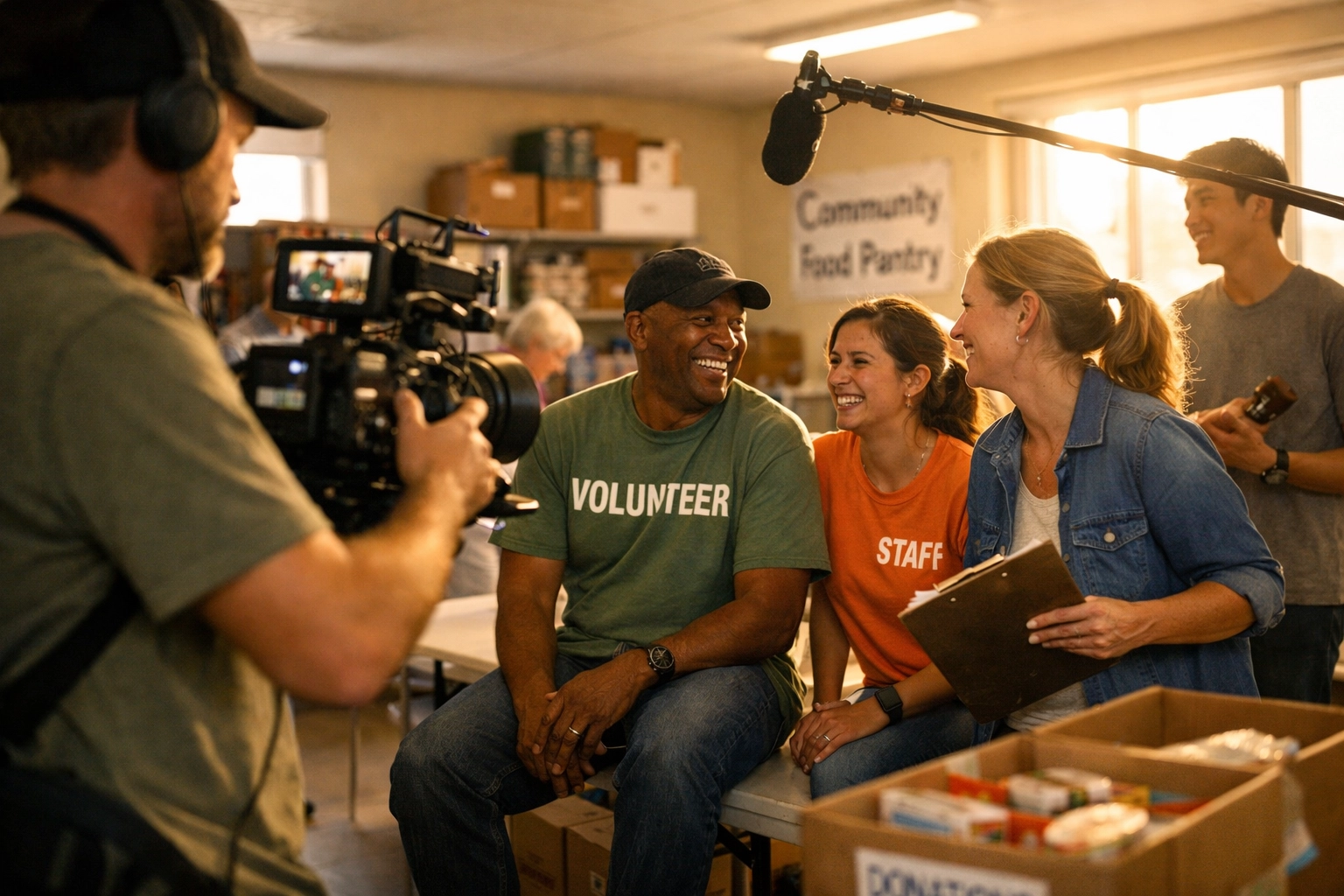
But when a fire chief speaks directly to the camera about fire safety? When a nonprofit program director shows the real, messy work of serving the community? When a city project manager walks viewers through a construction site? That's when trust gets built.
People aren't looking for perfection. They're looking for proof that you're real.
What "Real" Actually Means (And What It Doesn't)
Let's be clear: authentic doesn't mean low-quality. It doesn't mean shaky phone footage with blown-out audio and no plan.
Real means intentional honesty. It means you're showing what actually happens, not a sanitized version. It means your videos look like your organization: flawed, human, and worth trusting.
Here's what works in 2026:
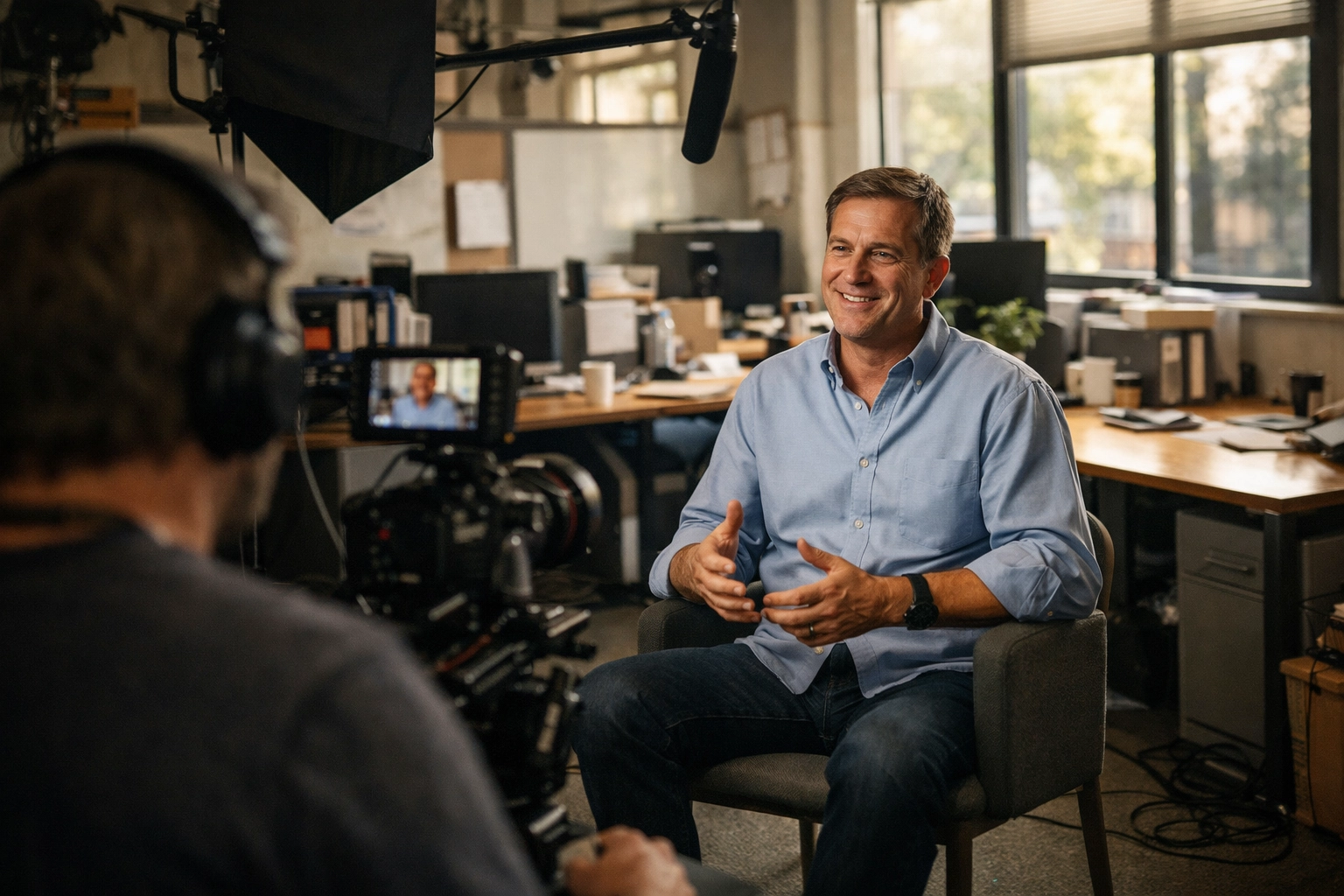
- Interviews shot in actual workspaces, not rented studios
- Team members speaking in their own words, not from a script
- Behind-the-scenes footage that shows the process, not just the results
- Genuine reactions and unscripted moments
- Content that looks native to social feeds, not like it was imported from broadcast TV
The key difference? You're not pretending to be something you're not. You're showing what you actually do, and you're doing it with enough production quality that it doesn't distract from the message.
How to Pull It Off Without Looking Cheap
This is where most organizations get stuck. They know they need to be more authentic, but they don't want to sacrifice quality. Here's the framework:
1. Strategy comes first
Before you touch a camera, you need to know what story you're telling and why. What's the one thing this video needs to communicate? Who's it for? Where will they watch it?
At South Town Productions, we plan the story before we plan the shots. That's not an extra step: it's the step that keeps "real" from turning into "rambling."
Ask yourself:
- What problem are you solving for your audience?
- What do you want them to feel after watching?
- What's the proof that backs up your message?
If you can't answer those questions clearly, no amount of authenticity will save the video.
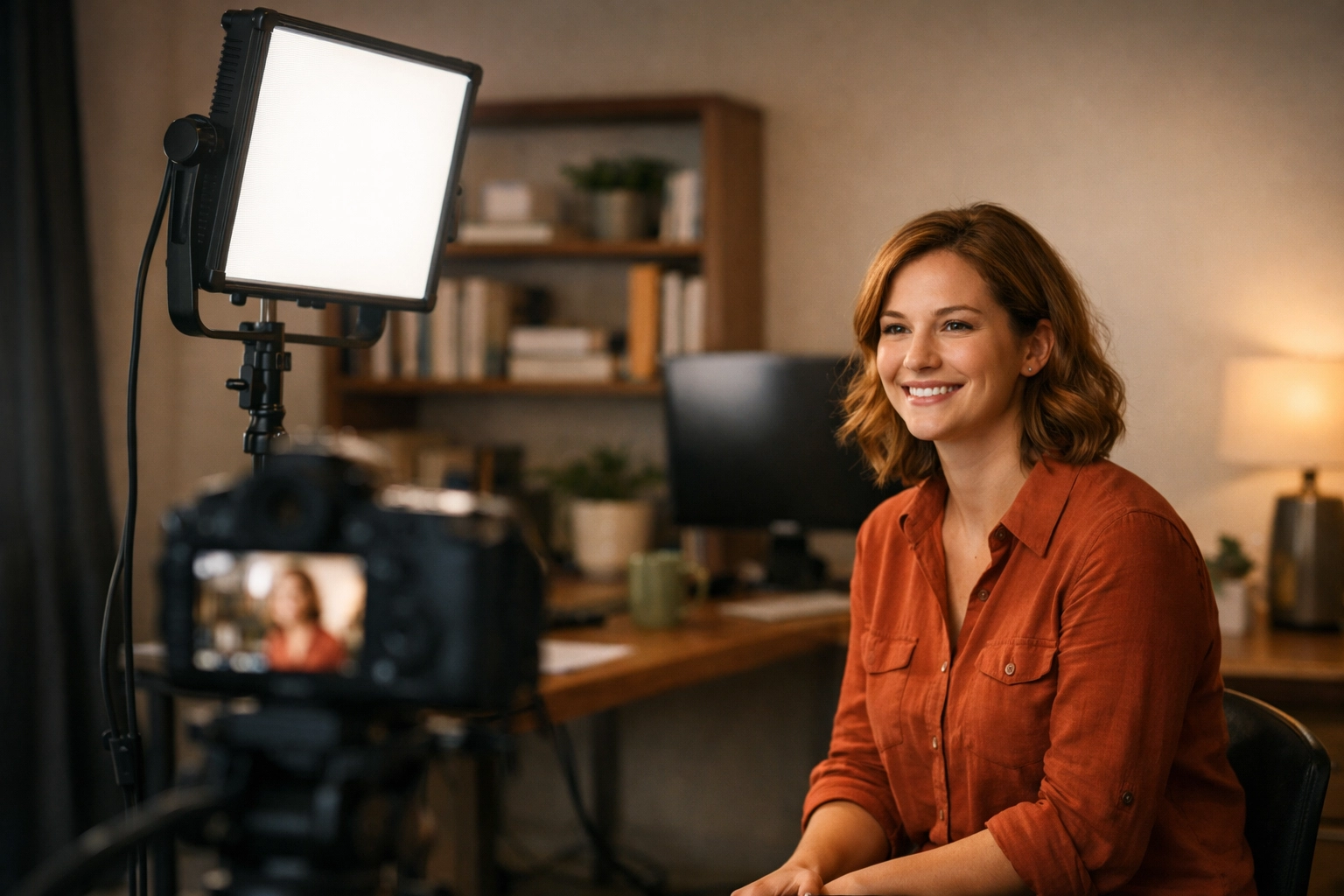
2. Lighting is your credibility line
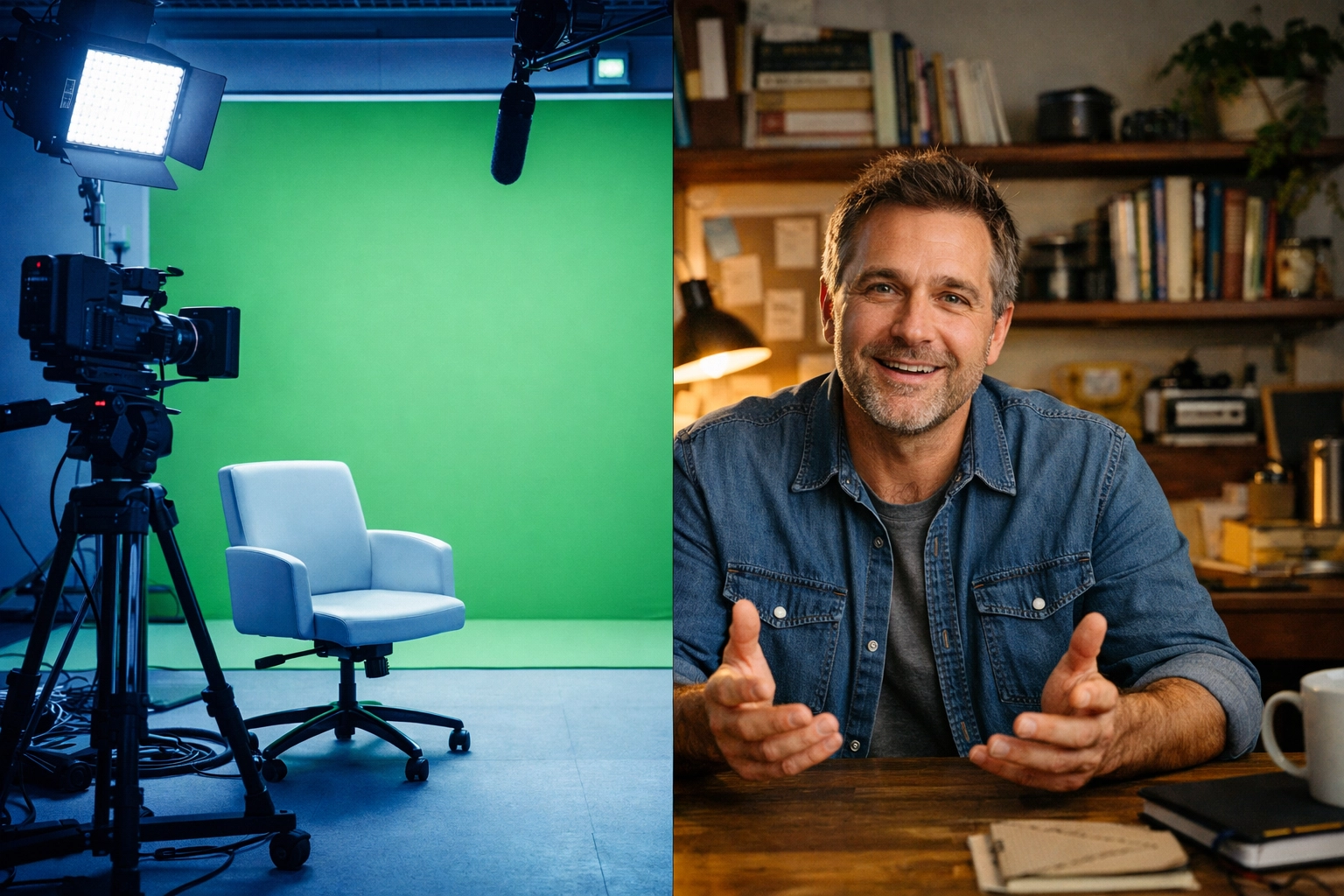
You can shoot on a phone. You can skip the makeup artist. But you cannot skip lighting.
Here's why: bad lighting makes everything look unintentional, even if you meant it to look raw. Good lighting makes content look purposeful, which is very different from "overproduced."
You don't need a truck full of gear. You need:
- Natural light from a window (position your subject facing it, not backlit by it)
- Or one key light to eliminate harsh shadows
- Consistent exposure so your footage doesn't look like it was shot in five different locations
Think of lighting as the difference between "casual" and "careless." One builds trust. The other makes people question if you know what you're doing.
3. Sound is non-negotiable
If your video sounds bad, it looks bad. Period.
You can get away with a less-than-perfect frame. You cannot get away with muffled audio, background noise, or inconsistent levels. Poor sound tells your audience you didn't care enough to get it right.
The fix is simple:
- Use a lavalier mic or shotgun mic, not the camera's built-in audio
- Test your levels before recording
- Minimize background noise or embrace it intentionally (a fire station is supposed to sound like a fire station: just make sure the person talking is still clear)
Good sound doesn't make you look "overproduced." It makes you look competent.
4. Keep it short and focused
Authenticity works best in small doses. Your audience doesn't have time for a seven-minute "real and unscripted" video: they have time for 30 to 60 seconds of something true.
Short-form content (15–60 seconds) performs best in 2026 for a reason. It forces you to get to the point. It keeps the energy up. And it fits natively into the platforms where your audience actually watches video.
One clear message. One piece of proof. One call to action. That's the formula.
The Quality Checklist for "Real" Content
Before you publish, run your video through these filters:
- Does it say one clear thing? If your video tries to cover three topics, it says nothing memorable.
- Does it show proof, not just claims? Don't tell people you care about the community: show the work.
- Does it match your brand tone? Authentic doesn't mean off-brand. Your video should still sound like you.
- Does it avoid stock-looking clichés? Generic b-roll, overused music, and staged "candid" moments all kill authenticity.
If your video passes all four, you're in good shape.
Why This Matters More for Nonprofits and Public Sector Groups
City governments, police departments, and nonprofits don't have the luxury of sounding corporate. You serve real people with real needs, and your credibility depends on how transparent you are.
When you lean into authenticity, you're not just keeping up with trends: you're aligning your communication style with your mission.
People want to see:
- The officers who patrol their neighborhoods
- The social workers who run your programs
- The city planners who are redesigning their streets
- The nonprofit staff who are solving problems they care about
When those people show up on camera as themselves: not as polished spokespeople: trust goes up. Engagement goes up. And the impact of your message goes way up.
That's not a creative preference. That's strategy.
Final Thoughts: Real Doesn't Mean Random
The shift to authentic video isn't about doing less. It's about doing different.
You still need a plan. You still need decent lighting and clean sound. You still need to know what you're trying to say and who you're saying it to. But you don't need to pretend to be something you're not, and you don't need a massive production budget to build trust.
If you're ready to create video content that actually connects: content that feels real without looking amateur: we're here to help. We plan the story first, then build the production around what's true. Let's create something your audience will actually watch.